WASHINGTON — Peace through strength means you don’t buy the other side’s surrender with your own leverage. On Sunday, U.N. Ambassador Mike Waltz made that crystal clear: President Donald J. Trump rejected Iran’s latest ceasefire pitch because Tehran wanted “everything up front.”
Speaking on CNN’s State of the Union, Waltz said Iranian officials demanded relief from “billions and billions” of sanctions tied to Operation Economic Fury — and an end to long-standing U.N. snapback sanctions linked to Iran’s nuclear violations — before they would seriously negotiate an end to the nuclear program.
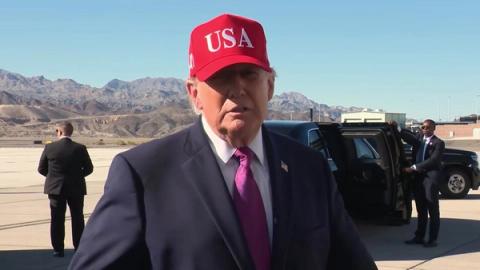
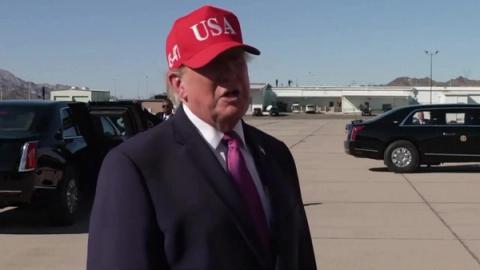
That is not a deal. That is a ransom note. Trump already told reporters Saturday he rejected the Hormuz roadmap Iran floated: reopen the Strait on a short clock while America lifts pressure. “They want to make a deal where they open the Strait immediately because they’re losing so badly,” the President said.
Sunday brought the America First follow-through. Trump told Axios he still expects more talks with Iran this week — mediated, indirect, and on U.S. terms. “They want to make a deal, but it is not the deal that I want to make,” he said. “They overplayed their hand.”
Waltz added that Tehran is “miscalculating” if it thinks midterm politics will soften Trump’s red lines. The President is “not confident that the Iranians are coming in good faith” to end the nuclear program — and Patriots should want it that way.
Operation Epic Fury’s bottom line has not changed: Iran never gets a nuke, Hormuz is not a toll booth for the world’s energy, and America negotiates from strength. Talks can continue. Blank checks will not.